Nouvelles peintures, Gaspar Willmann, 5.9.2026-26.9.2026, exo exo, Paris République
Gaspar Willmann, JUMAP (bieber meds), 2025
Ink and oil on linen, 188 x 122 cm artist's page/
inquire
Gaspar Willmann, JUMAP (generative gift in a degenerative situation), 2026
Ink and oil on linen, 188 x 110 cm artist's page/
inquire
Gaspar Willmann, JUMAP (Héloïse), 2025
Ink and oil on linen, 188 x 122 cm artist's page/
inquire
Gaspar Willmann, JUMAP (shutdown), 2026
Ink and oil on linen, 188 x 110 cm artist's page/
inquire
Gaspar Willmann, Nightmr, 2026
Ink and oil on linen, 188 x 122 cm artist's page/
inquire
Gaspar Willmann, JUMAP (liaison), 2026
Ink and oil on linen mounted on wood, 40 x 30 cm artist's page/
inquire
Gaspar Willmann, based on a true story, 2025
Ink and oil on linen mounted on wood, 24 x 18 cm artist's page/
inquire
Gaspar Willmann, JUMAP (ma puce), 2025
Ink and oil on linen mounted on wood, 33 x 23 cm artist's page/
inquire
Gaspar Willmann, JUMAP (the detective 2), 2026
Ink and oil on linen, 186,5 x 113 cm artist's page/
inquire
*English below*
FR.
Il paraît que le monde s’épuise. Qu’il croule sous son propre poids, qu’il perd à son propre jeu. Morcelées, les informations qu’il produit en images s’annulent les unes les autres dans un défilement permanent. Témoins passif·ves d’un réel qui se délite, nous nous réfugions dans ces petites fictions qui composent désormais notre quotidien. Le courant continu de nos désirs anticipés se rejoue indéfiniment. Tout est présent, alors plus rien ne l’est. Symptôme d’un système saturé, l’injonction à la nouveauté s’exerce dans un paysage visuel épuisé par sa propre abondance. L’image ne suffit plus : il faut l’avaler, la digérer, la recracher dans des formes sans cesse renouvelées.
Dans l’immensité qui nous fait face, que reste‑t‑il à inventer ?
D’un ton quasi publicitaire, le titre ‘Nouvelles Peintures’ formule une promesse de nouveauté rapidement déjouée par un dispositif débarrassé de tout décorum théorique. Libérée d’une narration imposée, l’exposition, ici, ne prétend pas réinventer l’exposition. Si la présentation ne tient pas à un choix conceptuel, elle repose sur la manière dont les images ont transmuté jusqu’à nous. Fenêtres sur des mondes où le réel et le virtuel cessent de s’opposer, les œuvres font se parasiter sans hiérarchie matière numérique et geste pictural. Refusant la consommation passive, Gaspar Willmann se fait organisme face à la machine. Il ne se détourne pas du flux, mais s’y plonge et absorbe la matière choisie ou imposée pour faire naître des récits autonomes. Le montage est pour lui autant une manière de penser que de faire. En rassemblant ces fragments visuels dispersés, il leur offre une cohérence à laquelle l’esprit peut se raccrocher. Dans l’horizontalité des techniques qu’il revendique, les références se frôlent et se contaminent. L’image qui en résulte est composite, stratifiée, complexe.
Des natures qui n’ont rien de mortes se réactivent par le regard. Dans une forme de romantisme assumé, ces sources multiples (picturales, symboliques, cinématographiques, philosophiques, médiatiques) sont assemblées dans des fictions visuelles. La narration ne vient pas alors de l'image elle-même mais des facultés de projection qu’elles réactivent en nous. Face à ces formes qui ne s’échappent pas, la contemplation devient une tentative de résistance pour se réapproprier notre propre attention.
Cleo Farenc
EN.
It seems the world is running out of steam. Collapsing under its own weight, losing at its own game. Fragmented, the information it produces as images cancels itself out in an endless stream. Passive witnesses to a reality that is coming apart, we retreat into the small fictions that now shape our everyday lives. The continuous flow of our anticipated desires loops endlessly. Everything is present, and so nothing is. A symptom of a saturated system, the injunction to novelty unfolds within a visual landscape exhausted by its own abundance. The image is no longer enough: it must be swallowed, digested, expelled again in ever‑renewed forms.
Faced with the vastness before us, what is left to invent?
With an almost advertising tone, the title Nouvelles Peintures announces a promise of novelty quickly undone by a display stripped of theoretical decorum. Freed from imposed narration, the exhibition does not claim to reinvent the exhibition format. If the presentation does not rely on a conceptual stance, it rests on the way images have transmuted on their way to us. Windows onto worlds where the real and the virtual cease to oppose one another, the works allow digital matter and painterly gesture to infiltrate one another without hierarchy. Rejecting passive consumption, Gaspar Willmann becomes an organism facing the machine. He does not turn away from the flow; he plunges into it, absorbing matter, chosen or imposed, to give rise to autonomous narratives. For him, montage is as much a way of thinking as of making. By gathering these dispersed visual fragments, he offers them a coherence to which the mind can cling. In the horizontality of techniques he embraces, references brush against and contaminate one another. The resulting image is composite, layered, complex.
Still lifes that are anything but still reactivate themselves through the gaze. In a form of conscious romanticism, these multiple sources (pictorial, symbolic, cinematic, philosophical, media-based) are assembled into visual fictions made coherent through human intervention. Narration does not arise from the image itself but from the projective faculties it reawakens in us. Faced with forms that do not slip away, contemplation becomes an act of resistance, an attempt to reclaim our own attention.
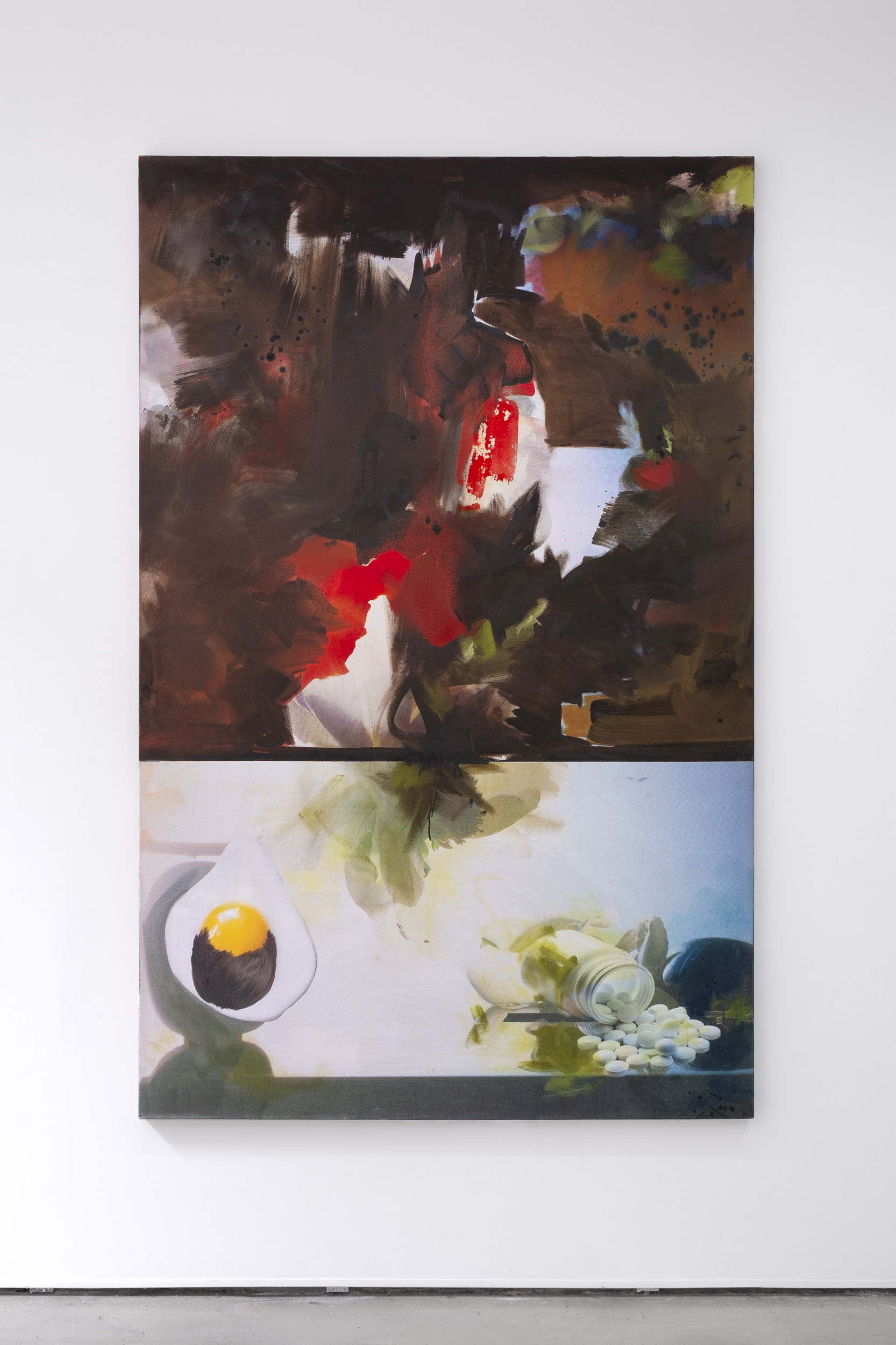 Gaspar Willmann, JUMAP (bieber meds), 2025
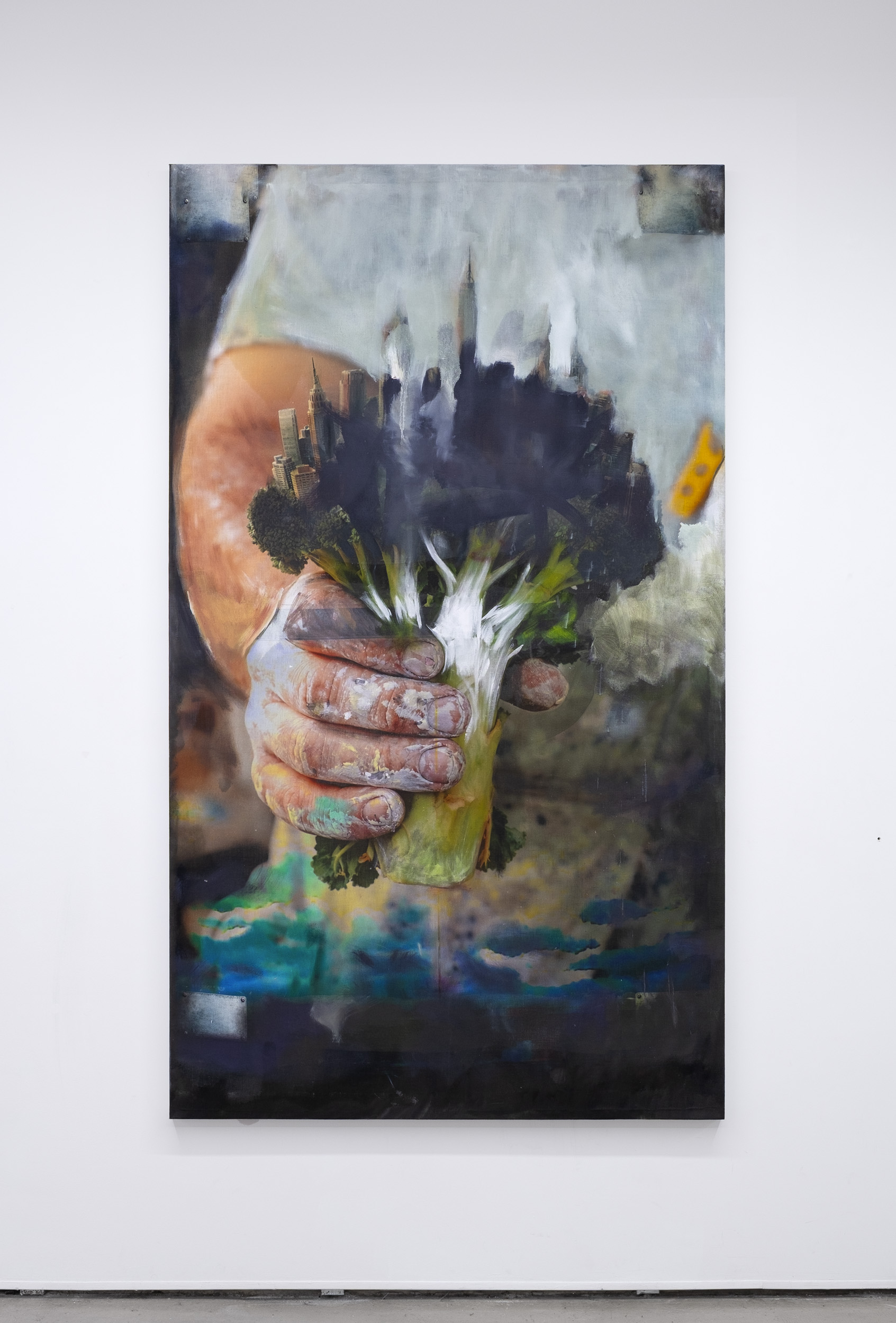 Gaspar Willmann, JUMAP (generative gift in a degenerative situation), 2026
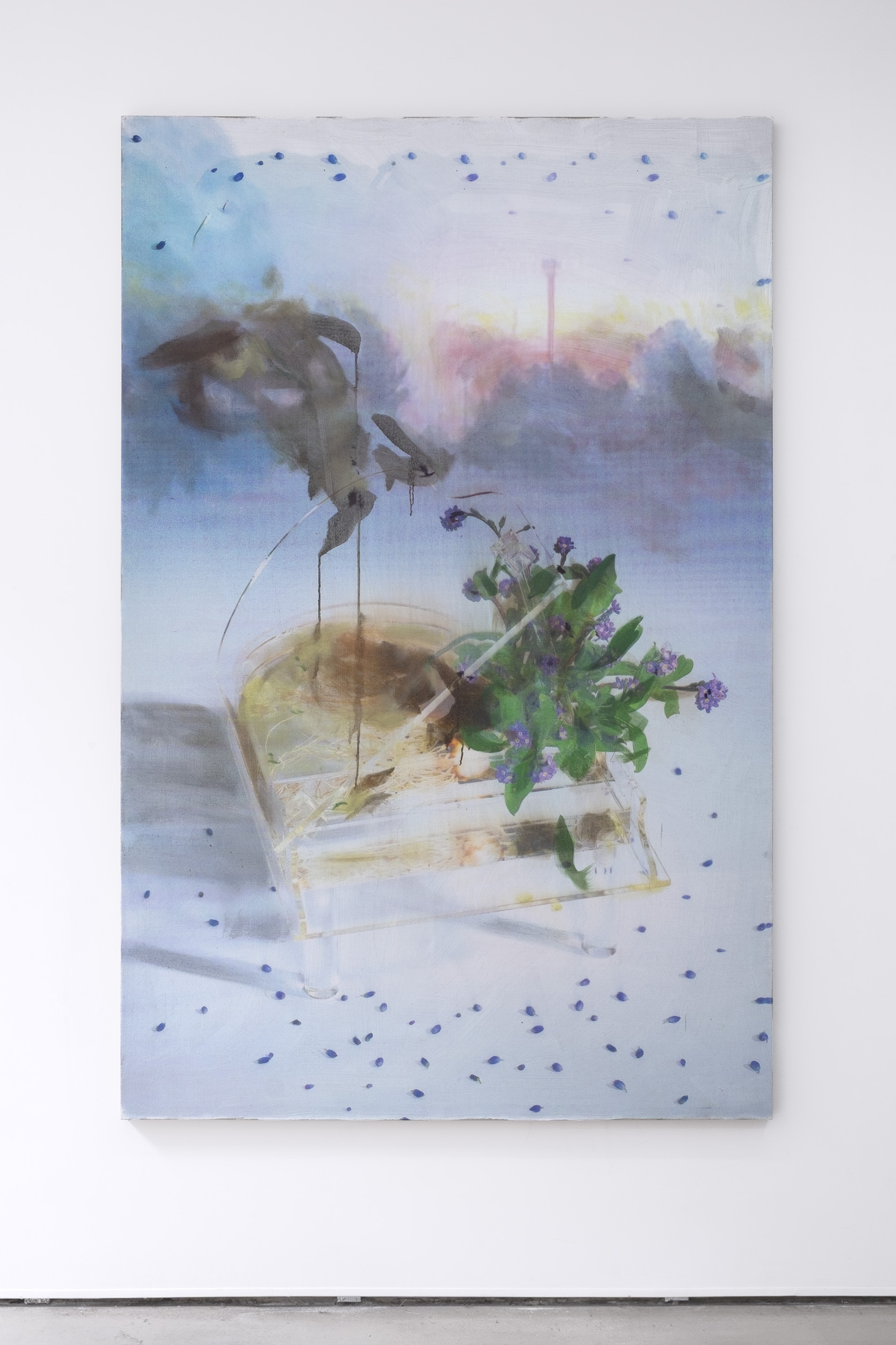 Gaspar Willmann, JUMAP (Héloïse), 2025
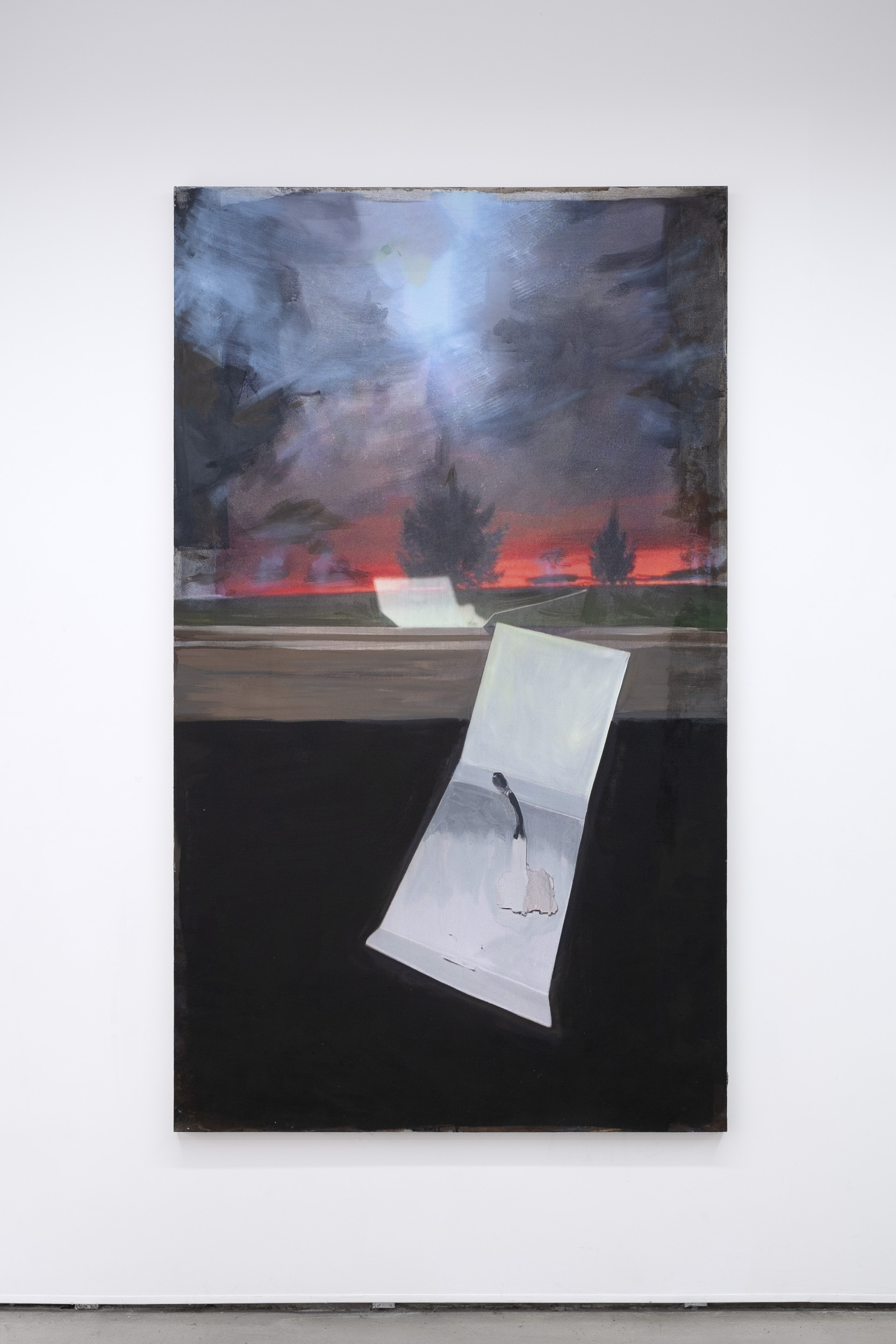 Gaspar Willmann, JUMAP (shutdown), 2026
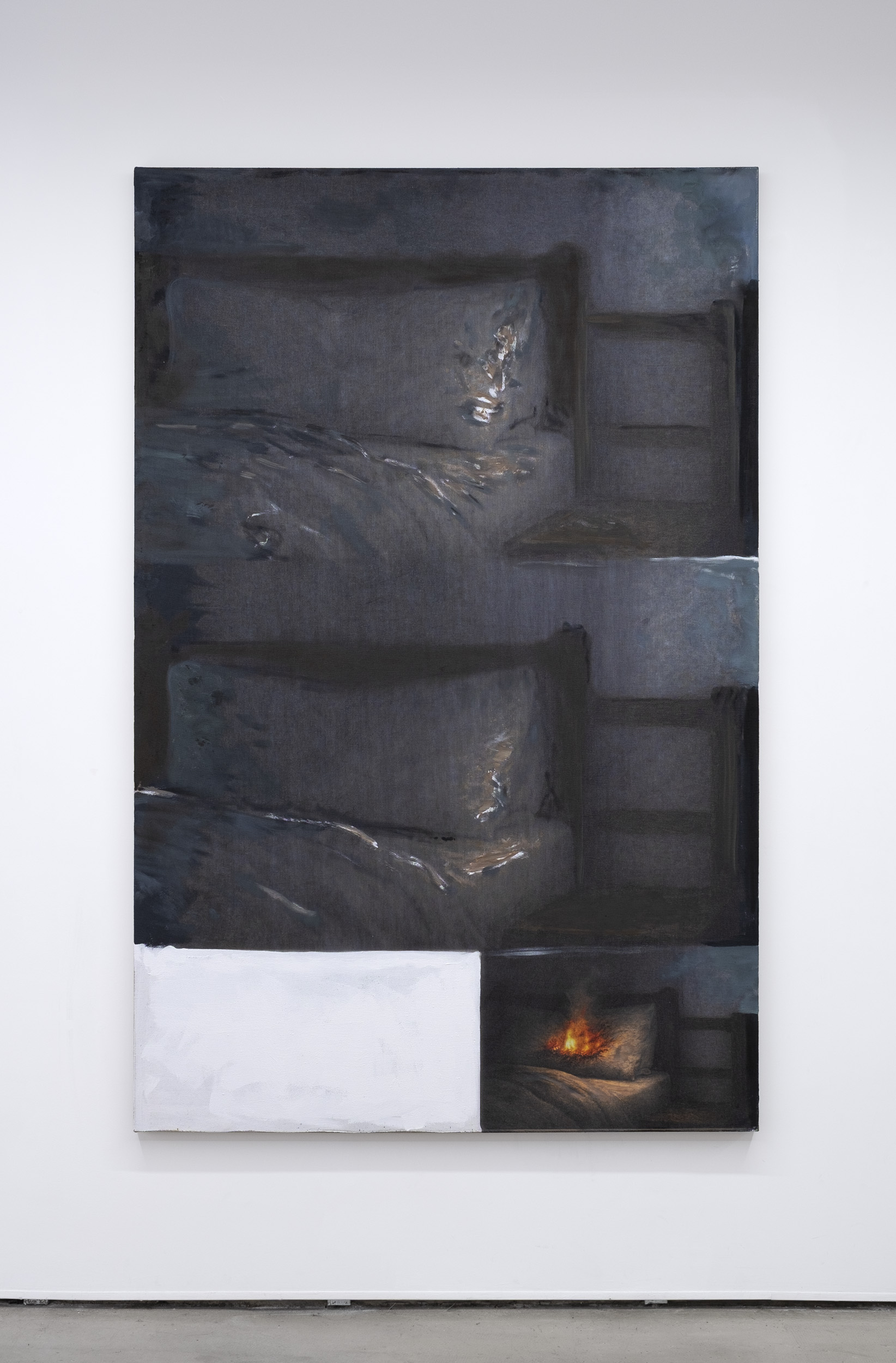 Gaspar Willmann, Nightmr, 2026
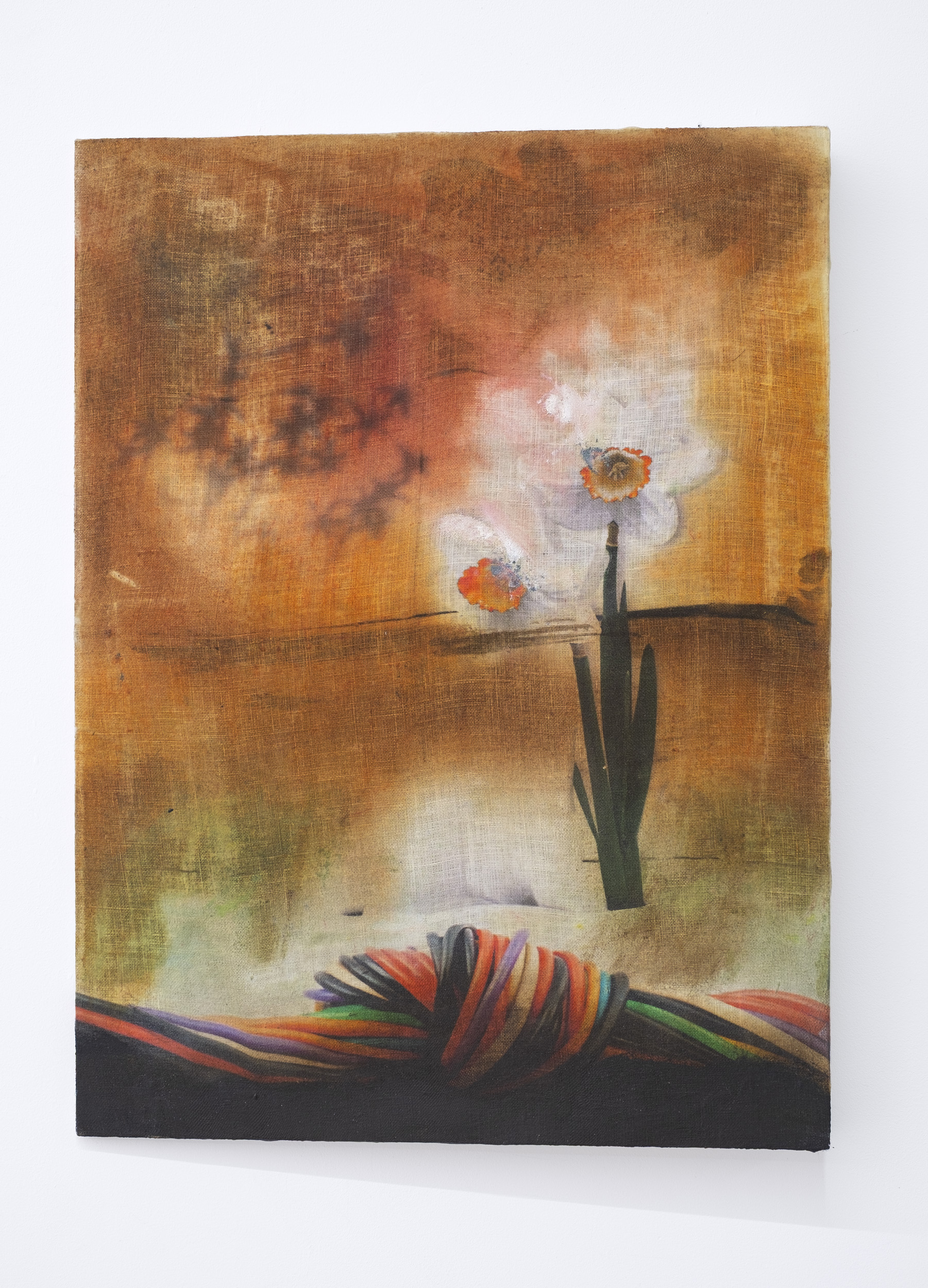 Gaspar Willmann, JUMAP (liaison), 2026
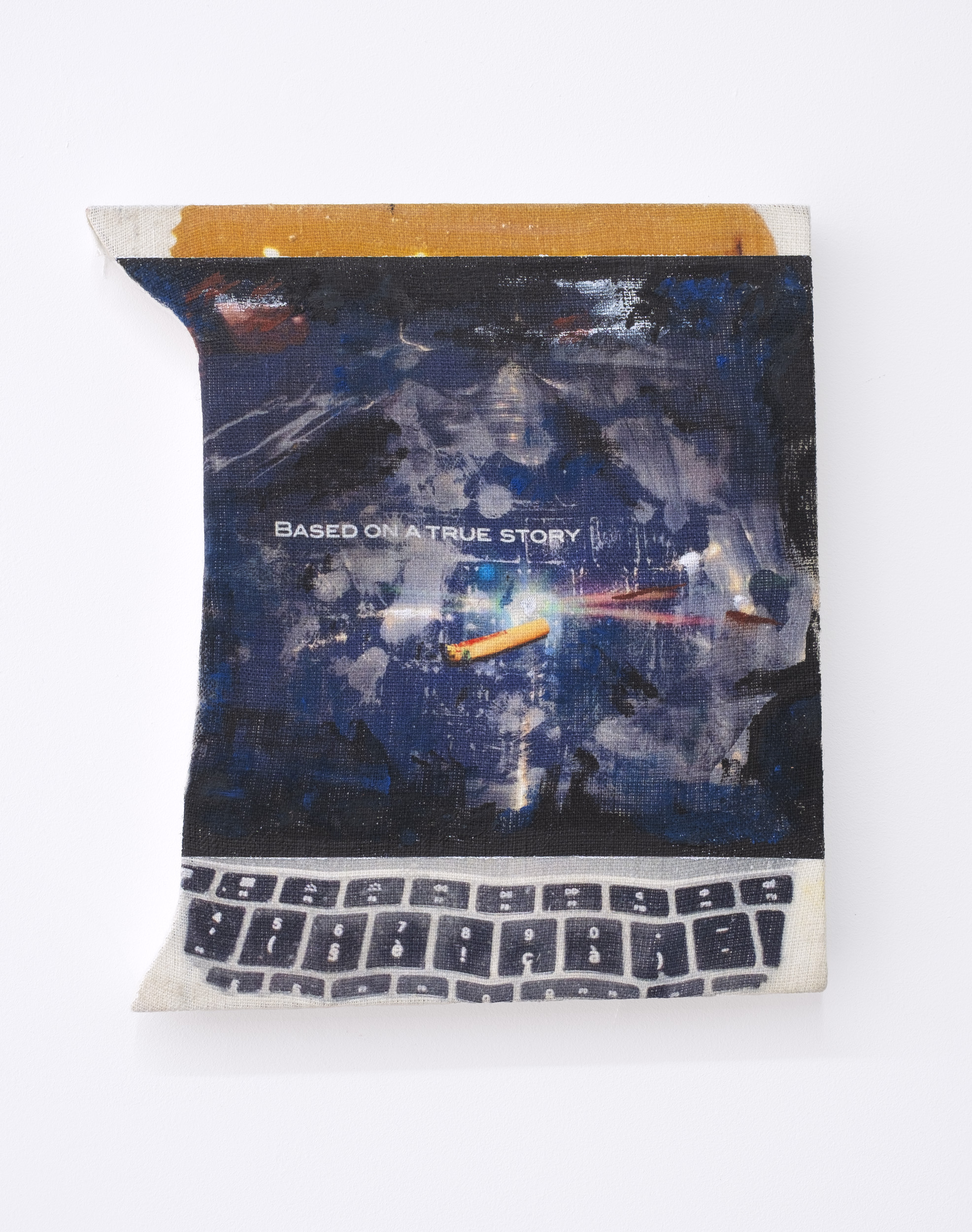 Gaspar Willmann, based on a true story, 2025
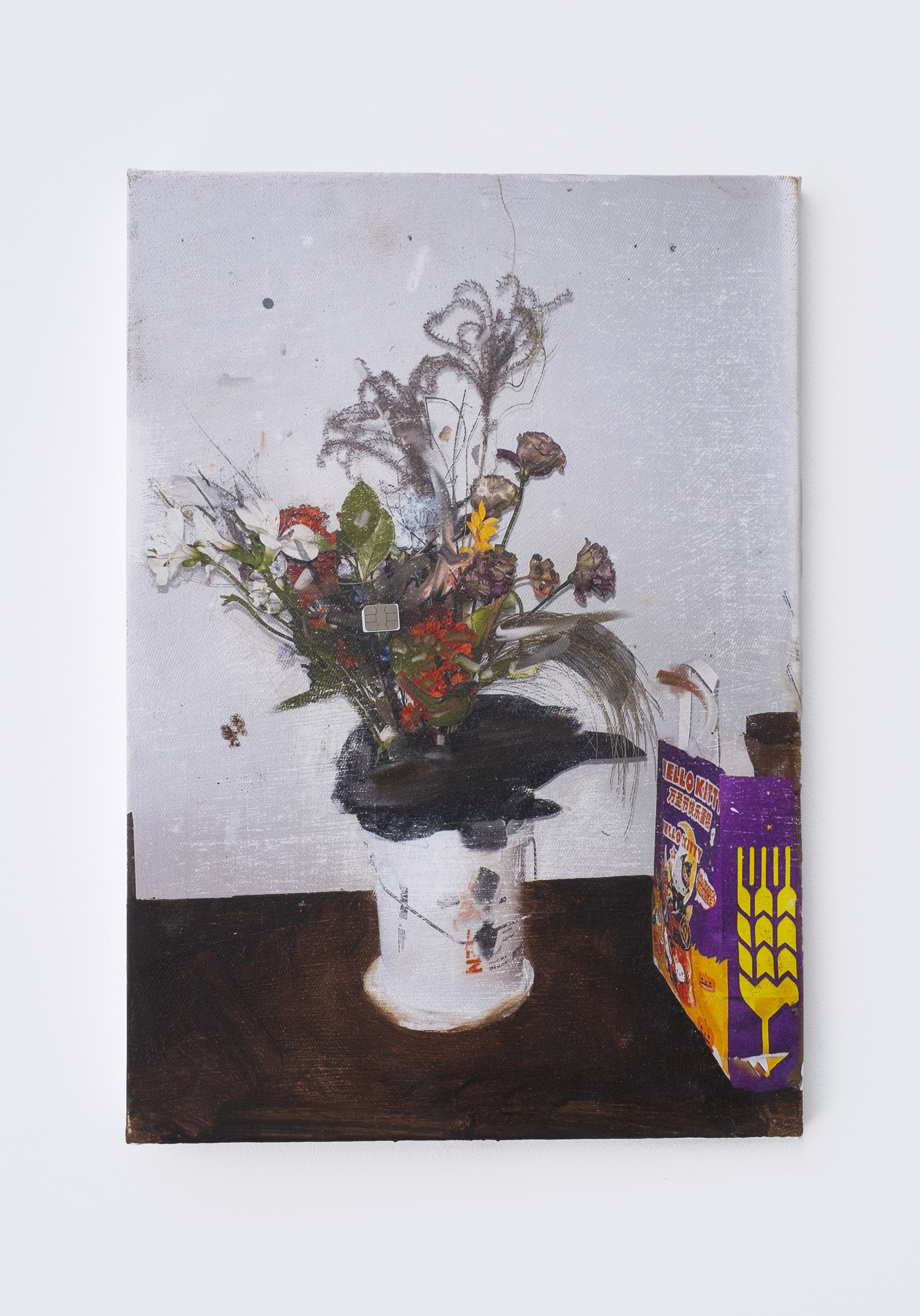 Gaspar Willmann, JUMAP (ma puce), 2025
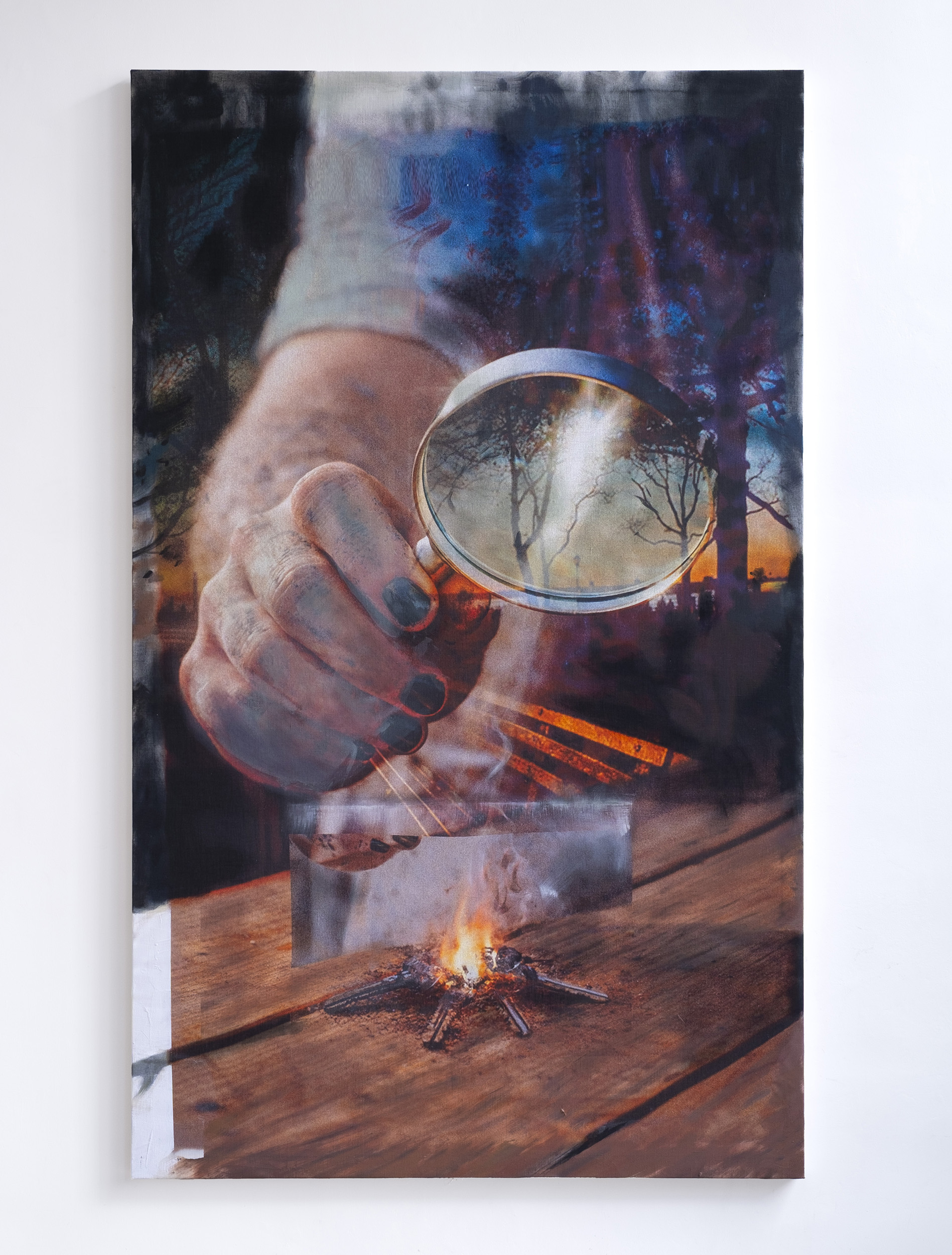 Gaspar Willmann, JUMAP (the detective 2), 2026